

Fall 2026: The Biophilic Design Issue
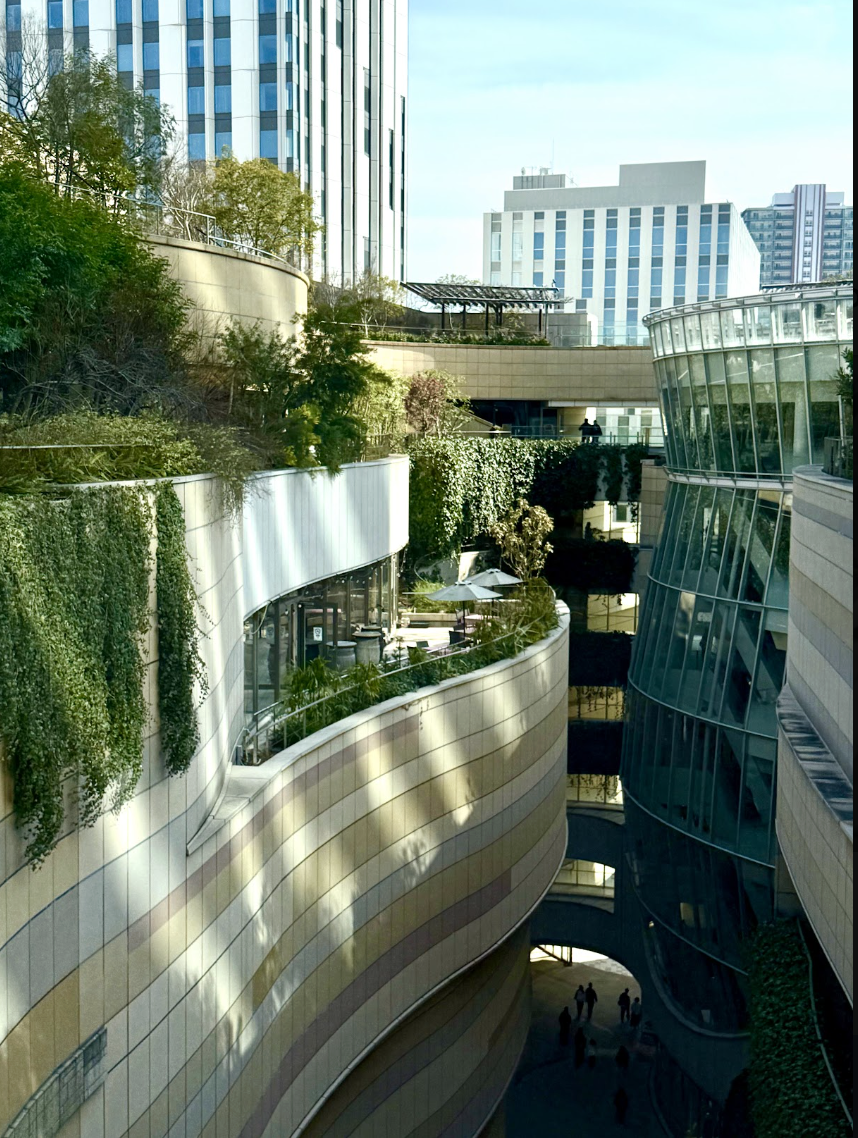
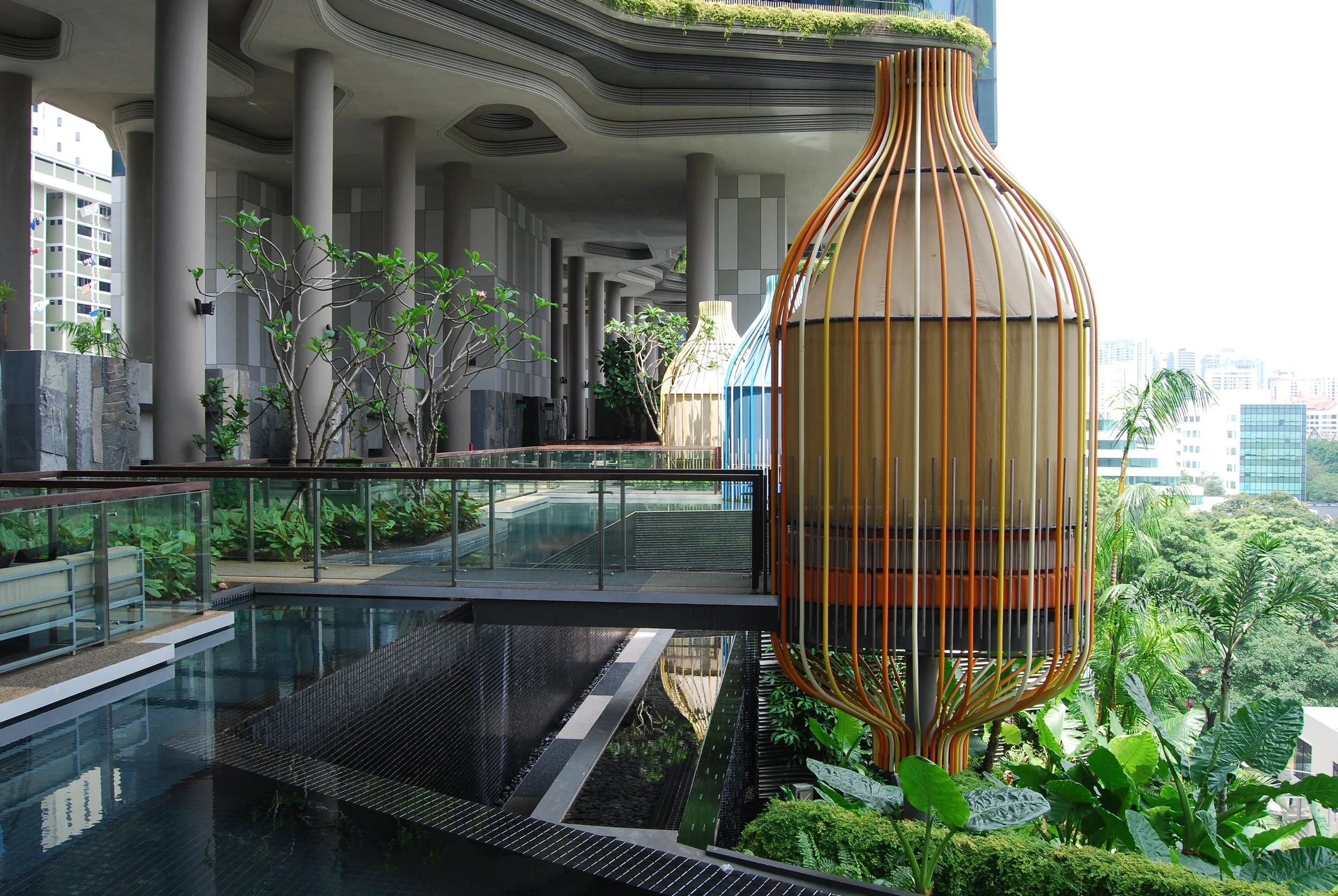
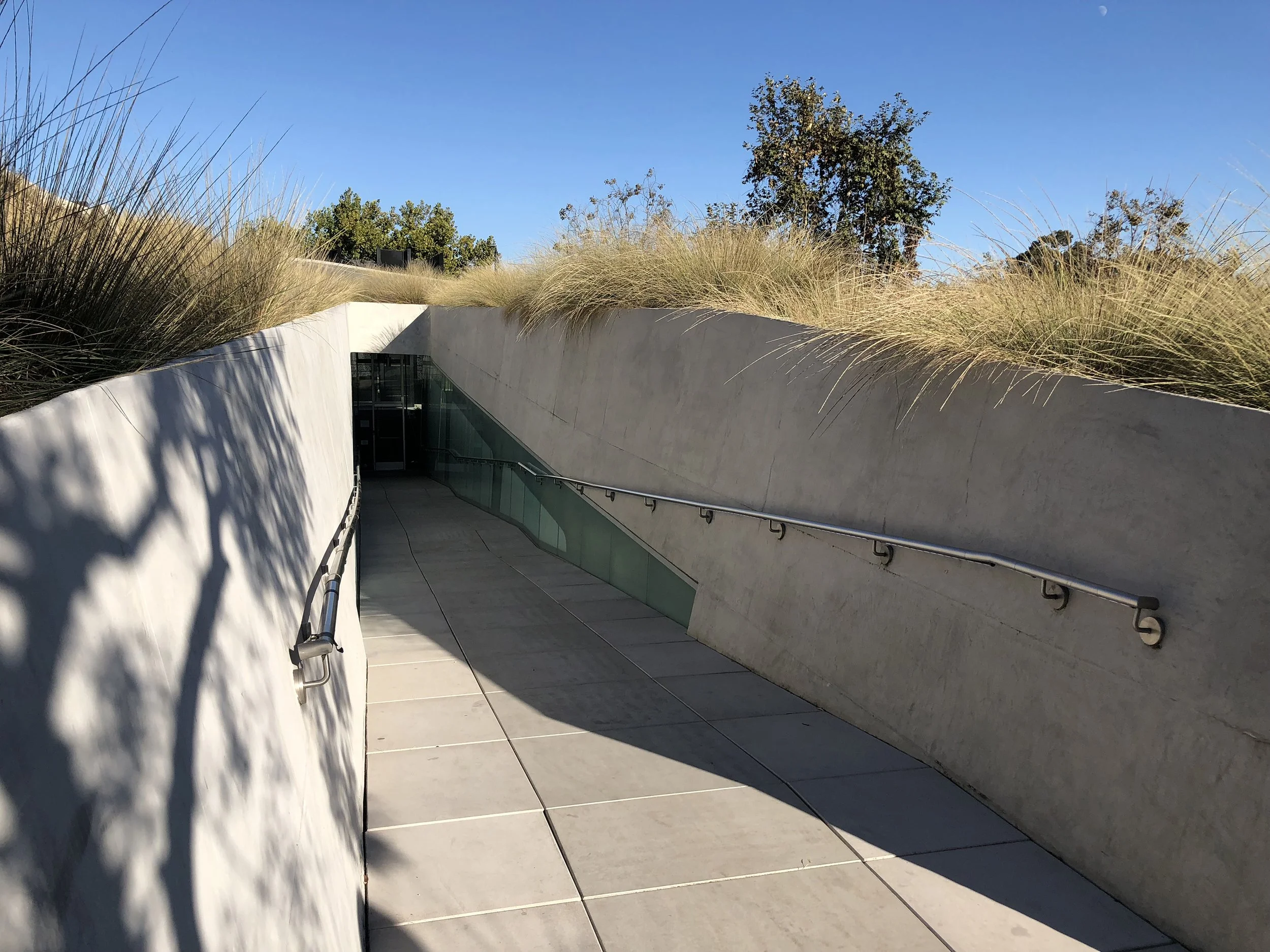
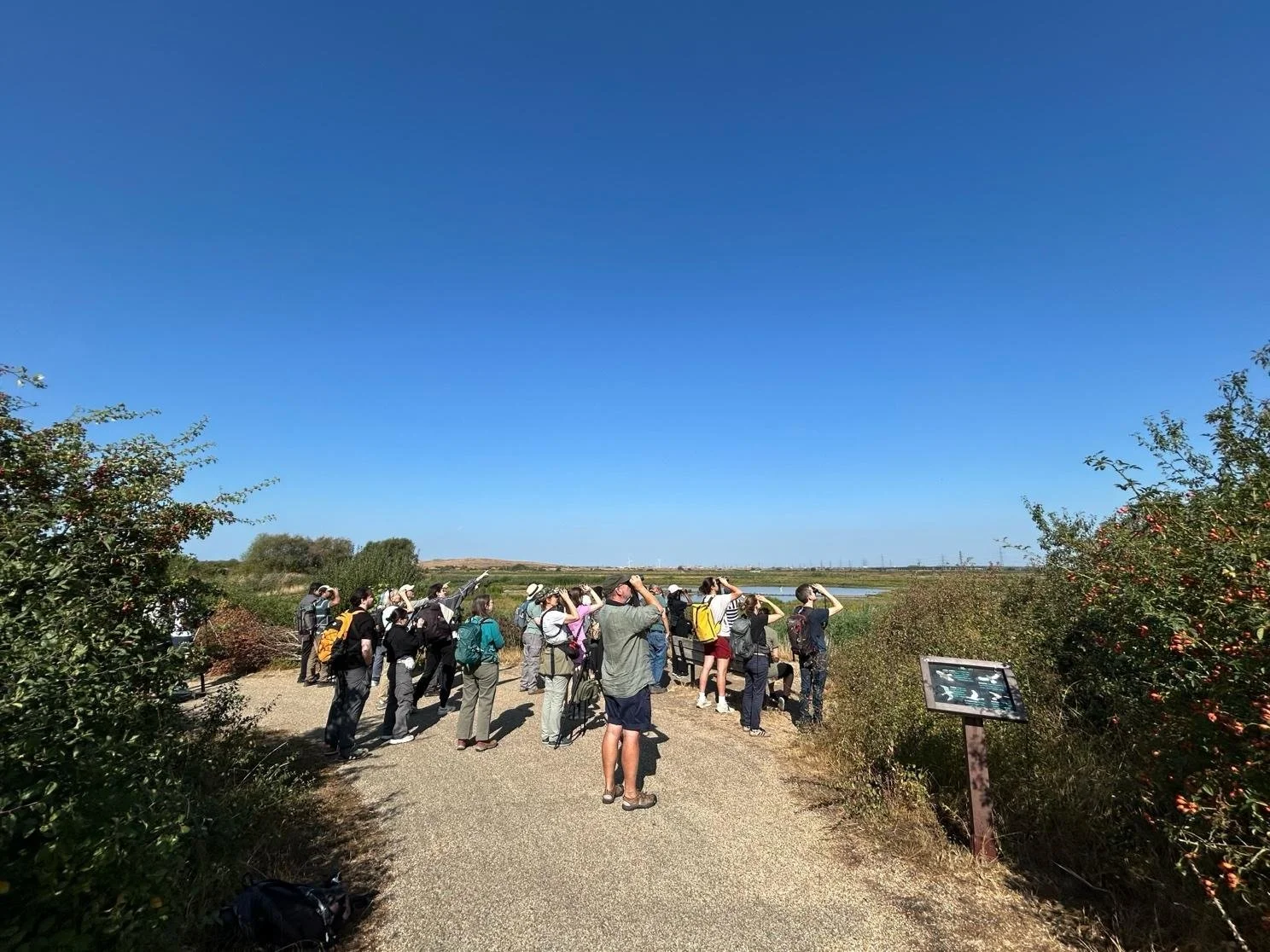
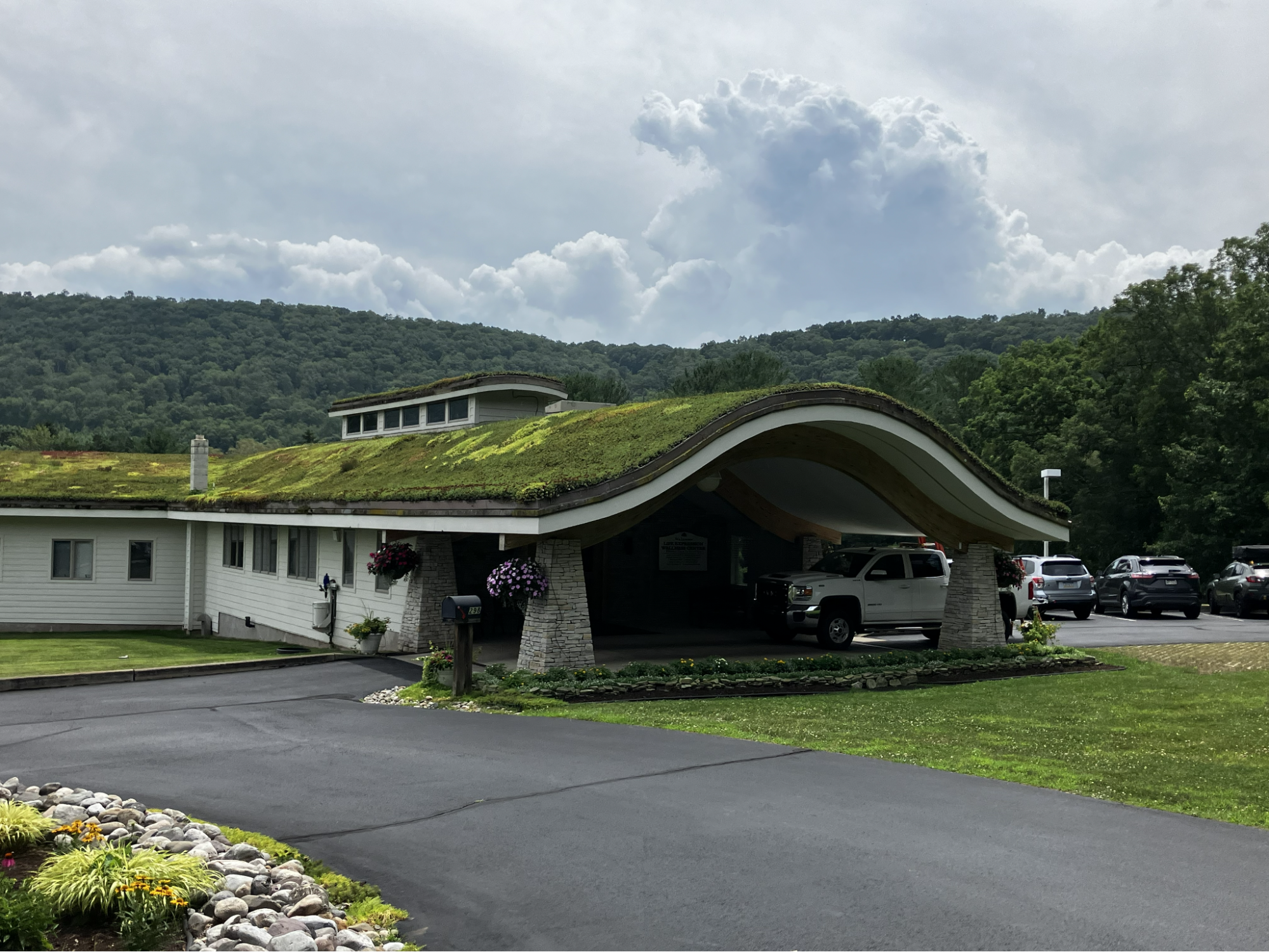
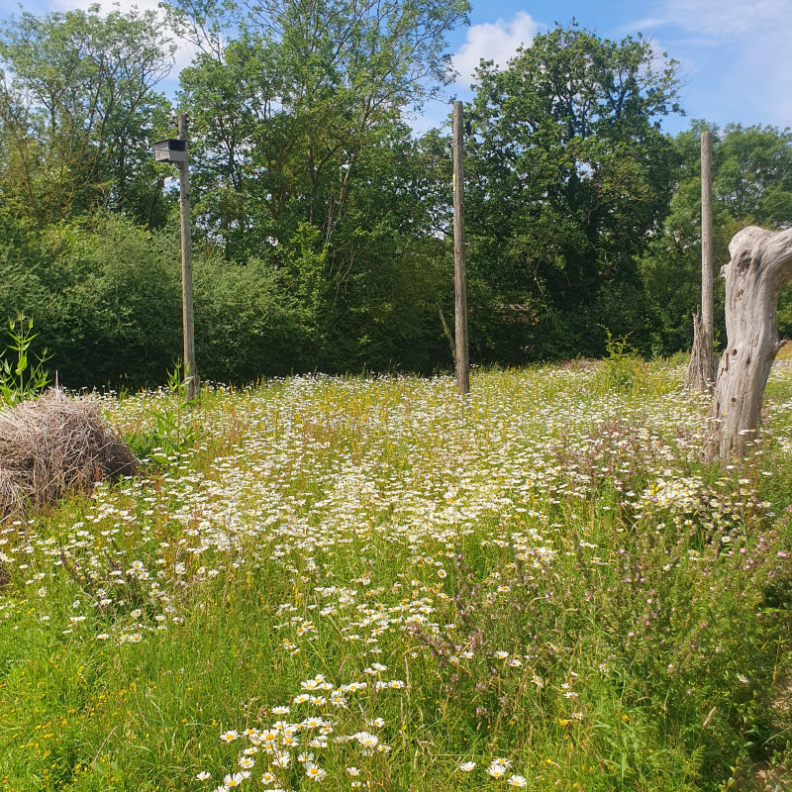
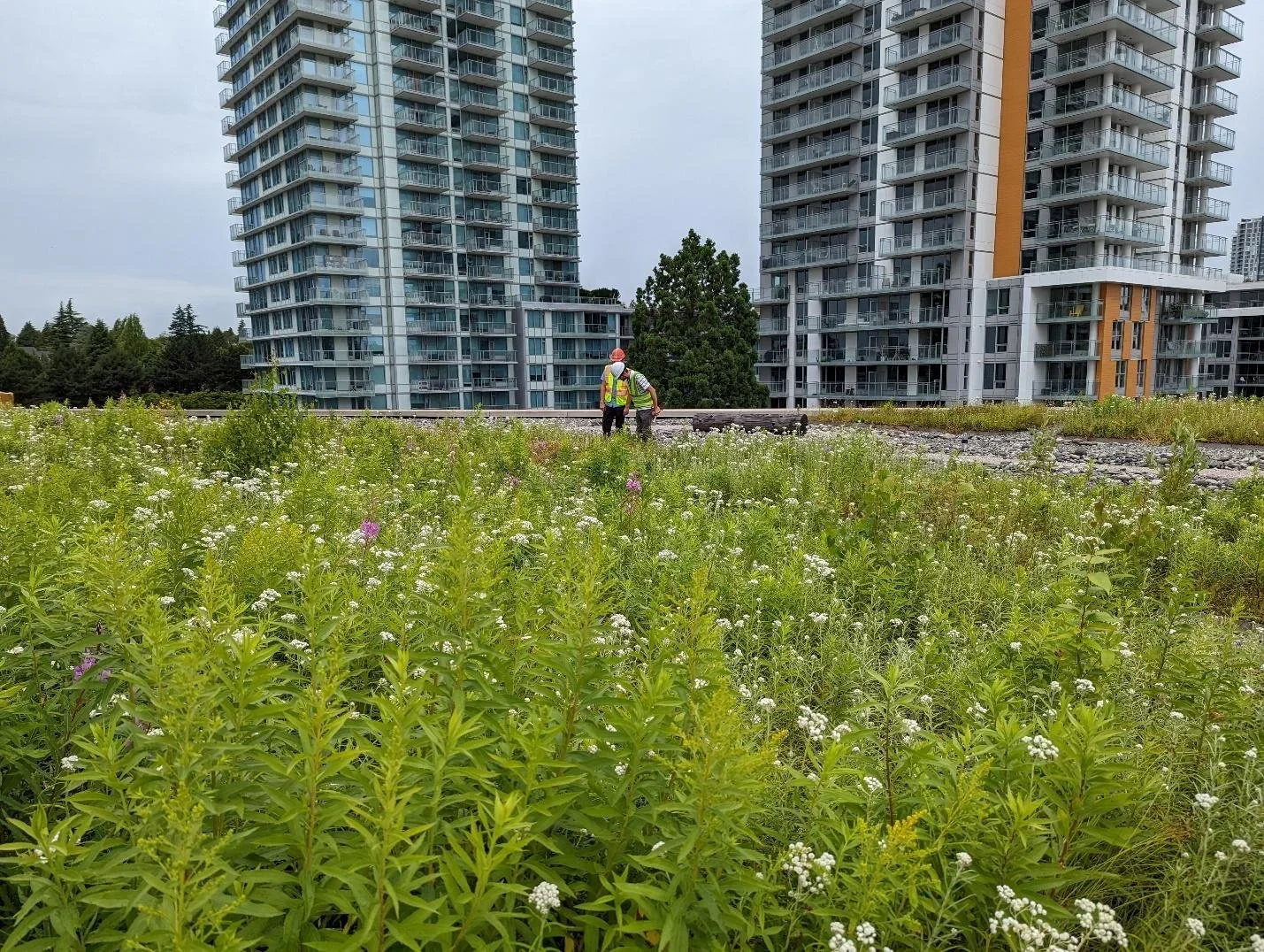
The things that support our ability to survive are the very things we continue to love, care for and even find beautiful. This is the essence of the biophilia hypothesis. Regular exposure to nature, on a green roof or in a local or regional park, is fundamental to our mental and physical health. Regular nature exposure, particularly as children, also means we are more likely to protect it later in life. The power to shape our environment exists like never before. When opportunities to be exposed to nature are limited, the opposite is also true - fear and disgust of nature combined with an ignorance of it can arise. These are the hallmarks of biophobia. While biophobia has helped protect us from snakes and spiders, and other dangers, it can result in the neglect and avoidance of nature and destructive behaviour towards it. This LAM issue provides many biophilic design resources. Biophilic design can reduce the spread of biophobia, future proof us against climate extremes, and enable us to enjoy, love, protect and restore nature.
Advertisement
In This Issue





Advertisement
Green Roof and Wall Industry News








About
The Living Architecture Monitor is a publication by Green Roofs for Healthy Cities, with a mission to increase awareness of the economic, social, and environmental benefits of green roofs, green walls and other forms of living architecture. The Living Architecture Monitor also hosts the Journal of Living Architecture (JLIV), a peer reviewed, scientific journal published by the Green Infrastructure Foundation (GIF).