Fall 2025: The Health Issue
We often take our health for granted and abuse our bodies until they suddenly fail us. Then our health becomes all that matters. It catapults to the top of our priority list, leaving behind concerns about deadlines, careers and family. Compounding self-inflicted health problems, are new factors that degrade our well-being. For example, the epidemic of loneliness in the absence of community, spending too many days on screens fueled by micro-doses of dopamine, the looming disaster of tens of thousands of microplastics daily entering our bodies, and periodic climate driven calamities such as floods, wildfires, hurricanes and heat waves. While green infrastructure can’t solve all of these problems, scientists recognize the many health-related benefits from time spent in green spaces, be they ancient forests, green walls or rooftop farms. Despite all of this knowledge, significant investments in green infrastructure remain an underutilized approach to improving our health. We spend billions on things with marginal societal benefits, like pipelines, highways, submarines and fighter jets, yet investments in green infrastructure remain an outstanding opportunity waiting to be fully embraced.
Advertisement
In This Issue

An overview of the health and environmental impacts of rapidly increasing plastic production and the current legislative, technical and individual efforts to address it.
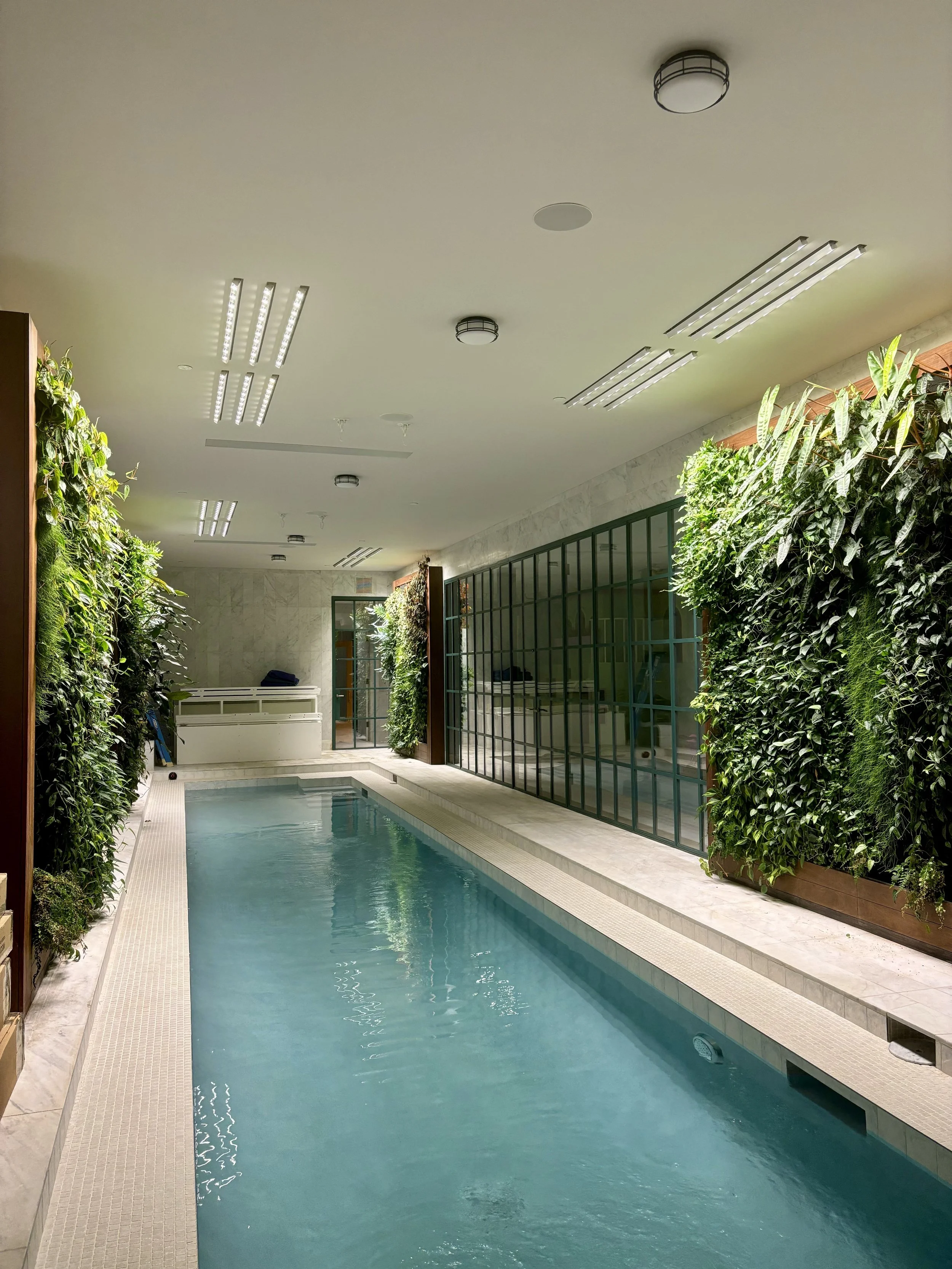
Explore how hospitals can embrace biophilic design and nature-based solutions to improve patient recovery, staff well-being, and community health.
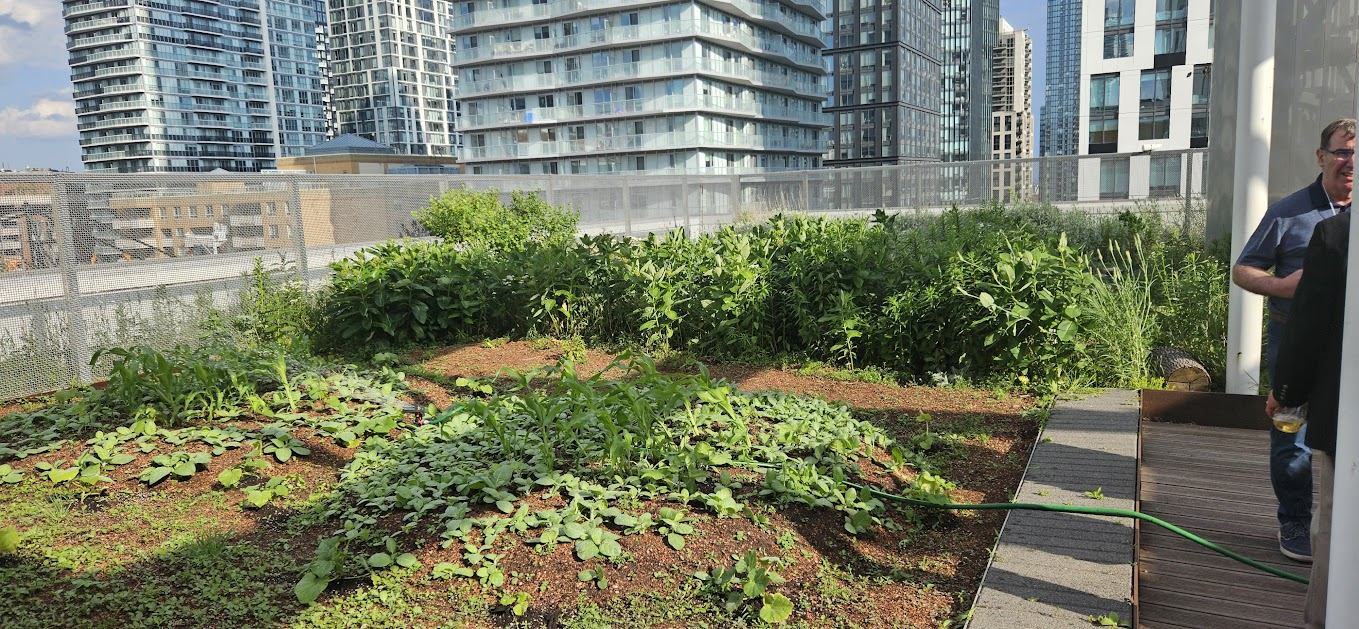
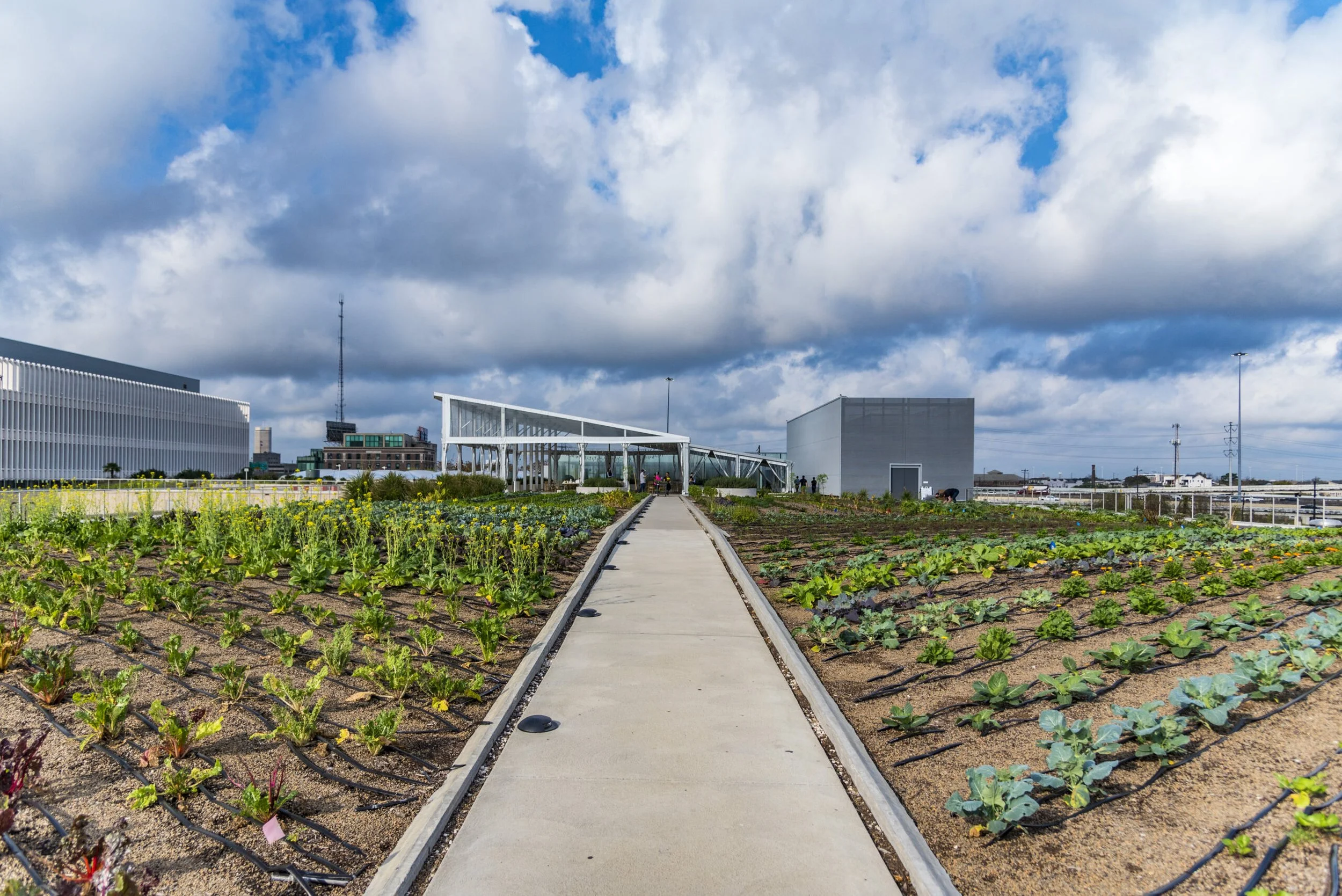
The Helen Diller Anchor House living walls and rooftop farm exemplify biophilic design and provide students with restorative experiences whereby they can flourish at Berkeley University.
This episode features the powerful impact the natural world can have on our physical and mental wellbeing, and how design can affect and influence how we live, work, play, and grow.
A review of the misinformation and science on green walls and air quality.
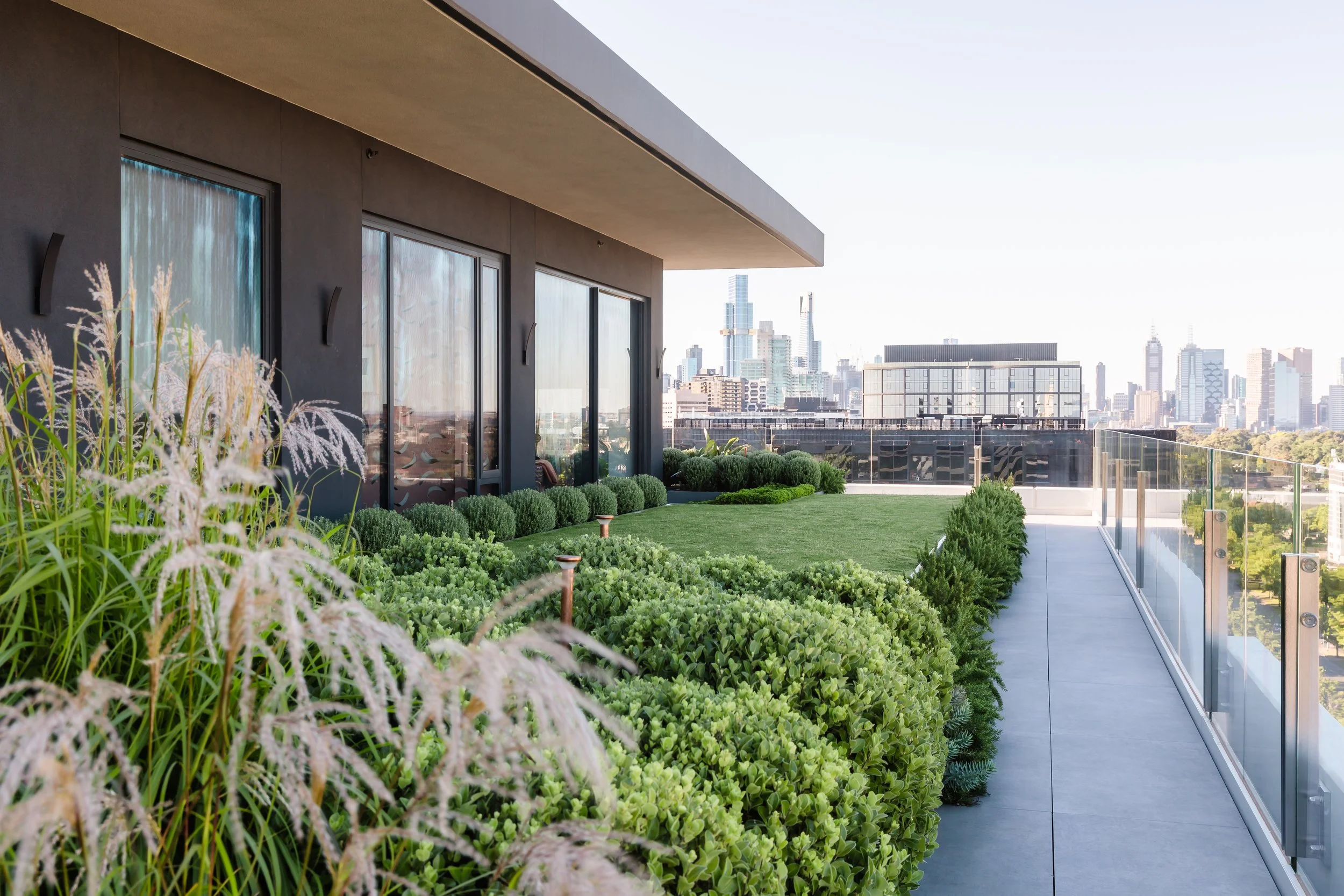
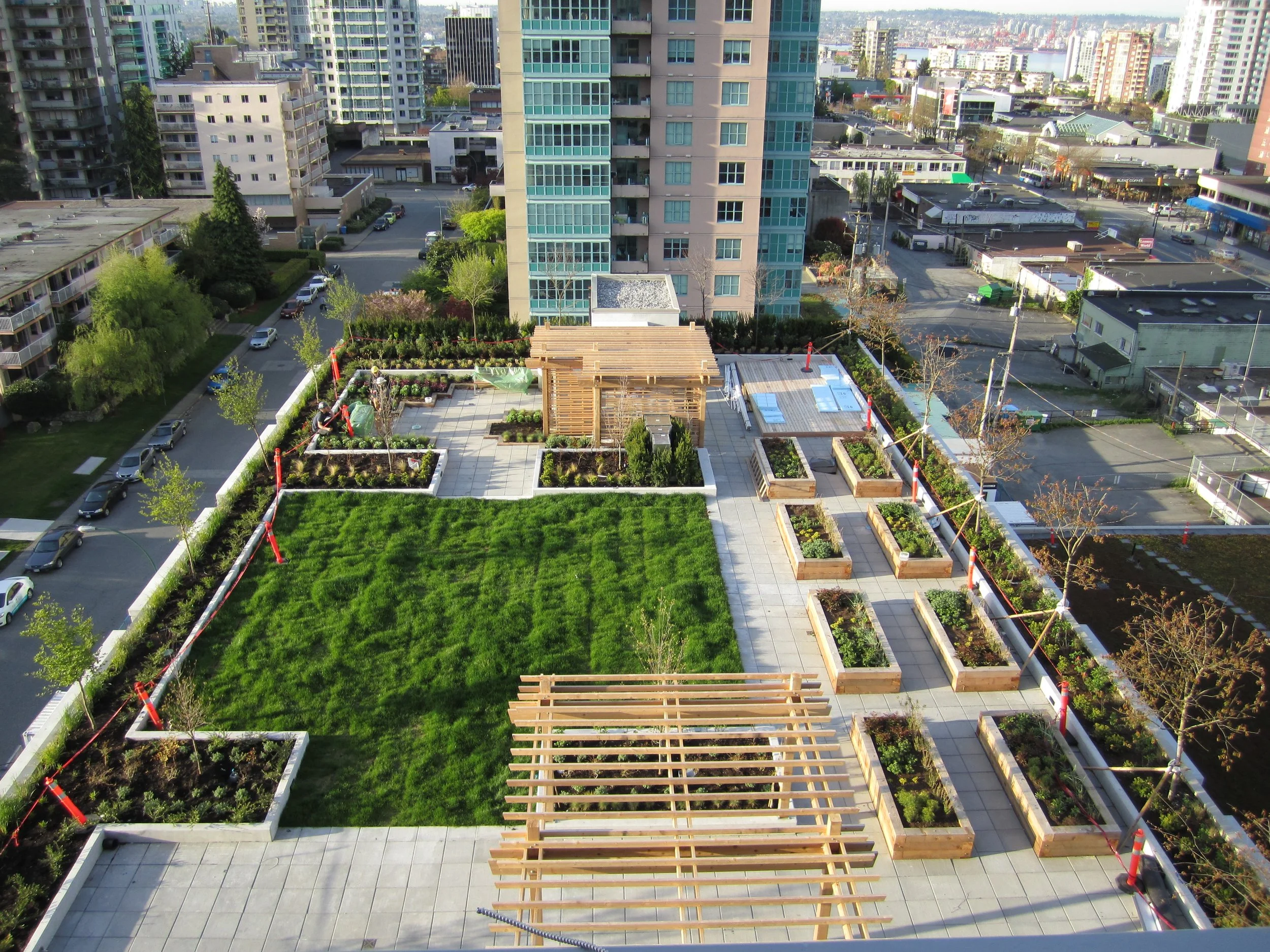
When nature is absent from the environments we live, work, and play, we suffer. However, intensive green roofs like rooftop gardens can bring the healing benefits of nature into urban environments. This article explores how to make “tree places’ on rooftop gardens.
How designers at MD Anderson in Texas use biophilic design and incorporate green infrastructure for better patient outcomes, including patients in the ICU.
Join us for a conversation on the powerful impact nature has on our and our children’s development and mentality, and what Laura’s organization is doing to support citizens and educators in new and interesting ways to facilitate connections with the natural world.
This article describes some of the remarkable ways that PS 41's accessible school green roof has been used to help students by facilitating mental health counseling and a policy initiative to try to build more.
Protecting Green Infrastructure: An overview of illegal tree felling in England and the ecological and cultural importance of protection woodlands, ancient and urban trees.
Discover the best apps and software revolutionizing biodiversity monitoring and climate advocacy. From iNaturalist to Google Lens, these tools help you to identify species, track bird activities, and even monitor coral reef health. Contribute to conservation efforts and connect with nature using these innovative technologies.
Providing estimates of the monetary benefits of improved health outcomes contributes to better decision making on resource allocation using multiple examples from Ontario municipalities.
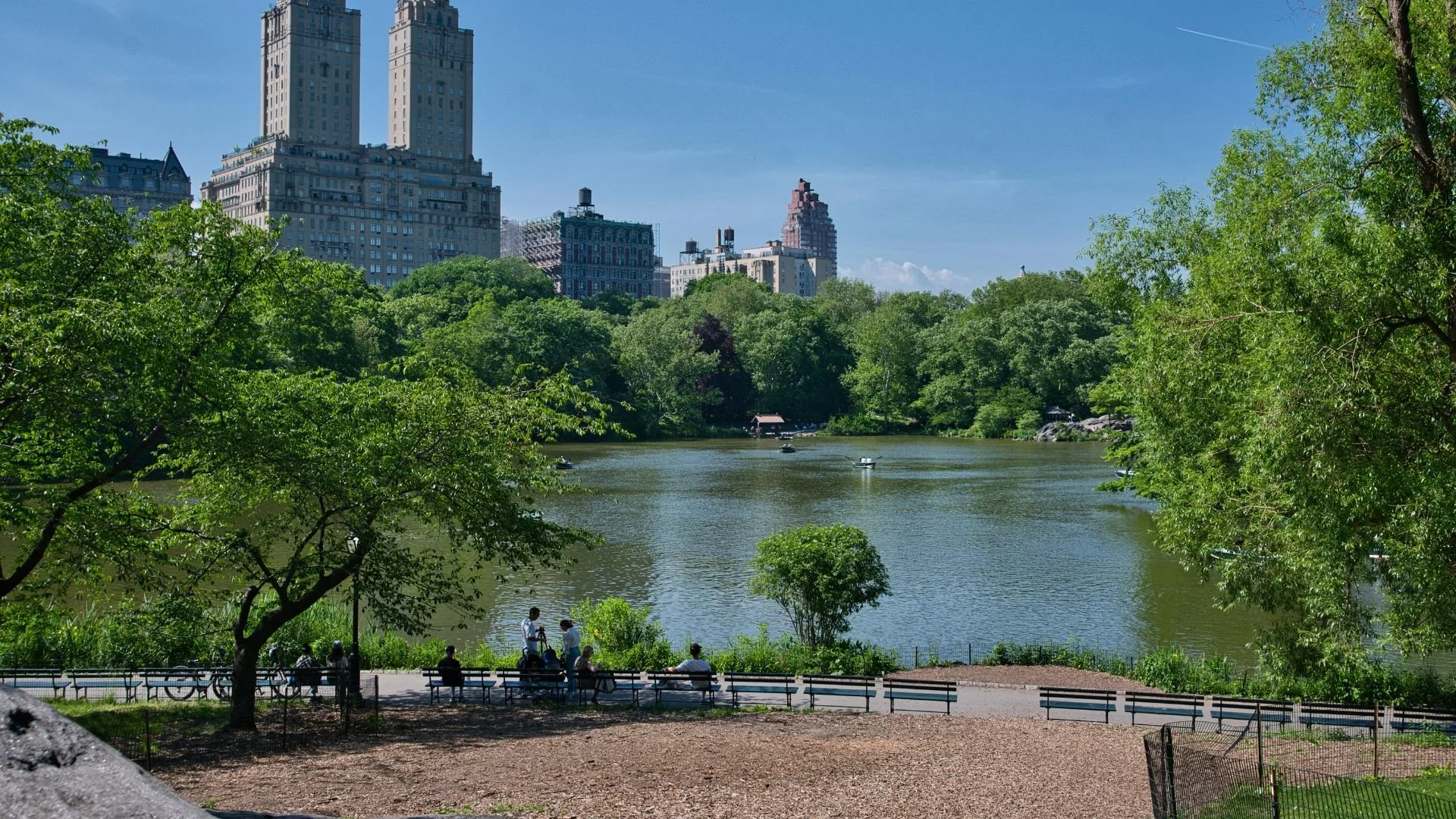
Discover how access to nature impacts mental health and wellbeing, and why green infrastructure in cities is a public health necessity. Explore the benefits of green spaces, the inequalities in access, and ways communities can take action.
Green Roofs for Healthy Cities shares 2025 updates on Grey to Green Conferences, GRIMP Training, new members, and resources for green infrastructure.
Advertisement
Green Roof and Wall Industry News

Arden Pontasch and Ryan Butcher are to Succeed Edmund Snodgrass of Emory Knoll Inc., as new majority owners.
The Call for Proposals and Research Papers for CitiesAlive 2026 is now officially open. CitiesAlive 2026 takes place November 11 - 13, 2026 in Brooklyn, New York. It will feature a dynamic program of presentations, research, and dialogue shaping the future of green infrastructure.
Give the gift of learning! From December 1, 2024, through to January 15, 2025, professional designers, manufacturers, policy makers and researchers can take advantage of this opportunity to advance their knowledge, save 30 per cent on fees and earn continuing education units from ASLA, GRHC, AIA.
CitiesAlive 2026 will bring together developers, building owners, architects, landscape architects, engineers, designers and researchers for fantastic networking and knowledge-sharing in one of the world’s most influential cities.
The latest episode features the powerful impact the natural world can have on our physical and mental wellbeing, and how design can affect and influence how we live, work, play, and grow.
SOPREMA US is announcing the full transition of Tropical Roofing Products (TRP) to the SOPREMA brand
The latest episode of its podcast series Sustainable Futures: Designing Green Communities and Buildings, featuring award-winning communicator and seasoned nonprofit executive Laura Mylan, Chief Strategy Officer of the Children & Nature Network (C&NN).
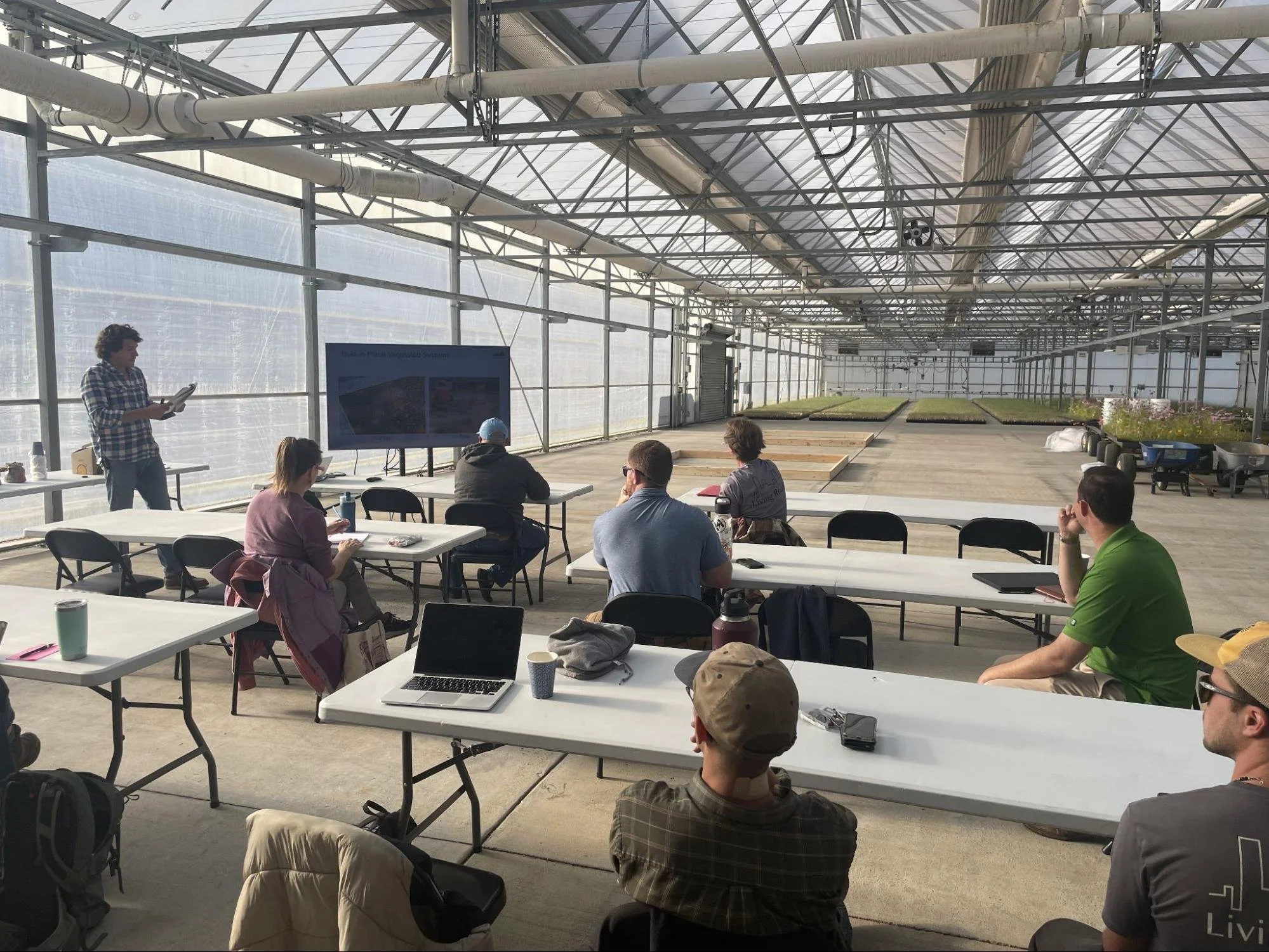
Green Roofs for Healthy Cities is hosting the Raleigh Grey to Green Conference, taking place on Friday, October 24, 2025 at the JC Raulston Arboretum.
About
The Living Architecture Monitor is a publication by Green Roofs for Healthy Cities, with a mission to increase awareness of the economic, social, and environmental benefits of green roofs, green walls and other forms of living architecture. The Living Architecture Monitor also hosts the Journal of Living Architecture (JLIV), a peer reviewed, scientific journal published by the Green Infrastructure Foundation (GIF).